
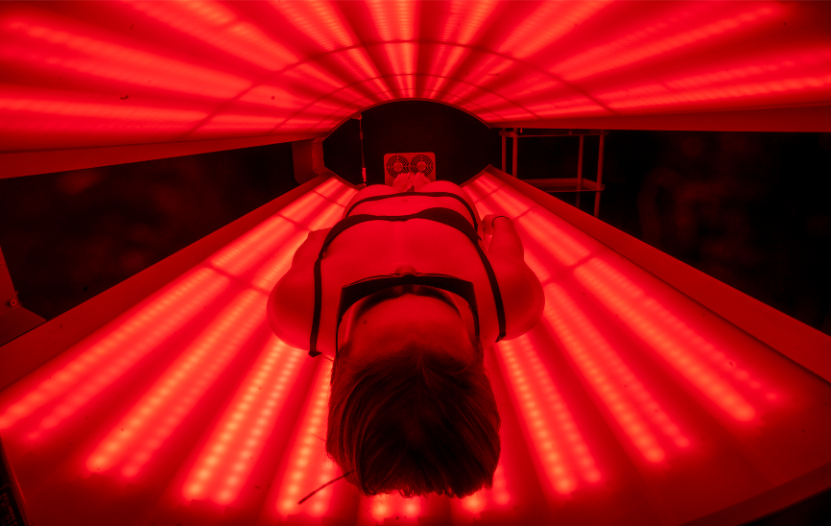

In the realm of modern wellness and self-care, the Red Light Therapy Bed has emerged as an innovative and non-invasive technique that captures attention for its ability to support the body’s natural healing processes and improve overall vitality. Unlike traditional treatments that focus on symptoms alone, this form of therapy engages the body at a cellular level, offering benefits that span from skin health to muscle recovery. By harnessing specific wavelengths of red and near-infrared light, Red Light Therapy Beds stimulate biological processes that contribute to enhanced wellbeing without the need for surgery or pharmaceuticals.
What Makes a Red-Light Therapy Bed Unique?
At its core, a Red-Light Therapy Bed is designed to deliver concentrated light energy evenly across the entire body while you relax comfortably. Couples of technological advances allow these beds to emit wavelengths of light that penetrate the skin deeply, reaching muscles, joints, and other tissues. This depth of penetration is a key difference from smaller, targeted light devices because it enables whole-body exposure in a single session, making the therapy more efficient for systemic benefits.
The mechanism behind this therapy is rooted in photobiomodulation—a process where light influences cellular function. Absorption of red and near-infrared light by the mitochondria, known as the powerhouse of the cell, can boost the production of adenosine triphosphate (ATP), the energy currency of cells. Increased ATP supports enhanced cellular activity, which may accelerate healing and contribute to improved energy levels throughout the body.
Another distinguishing feature of the Red Light Therapy Bed is the consistency of exposure; the entire body receives therapeutic light simultaneously, so every area—whether muscle, skin, or organ tissue—benefits from equal intensity. This full-body experience contrasts with handheld panels that target isolated regions and often require longer treatment times for comparable outcomes.
Therapeutic Advantages You Can Feel
Many users of a Red Light Therapy Bed report a range of positive effects after regular sessions. One of the most frequently cited benefits is muscle recovery and reduced inflammation. For individuals who engage in intense physical activity or struggle with chronic discomfort, the light exposure may help calm inflammatory responses and support more rapid recovery by enhancing blood flow to stressed muscles and tissues. This improved circulation increases oxygen and nutrient delivery, which can further expedite the healing process.
Pain relief also emerges as a compelling aspect of this therapy. Whether dealing with joint stiffness, soreness from overexertion, or chronic conditions, many individuals find that spending time in a Red Light Therapy Bed offers measurable comfort without the side effects often associated with pain medications. This makes it an attractive alternative for those seeking natural relief.
Skin health is another prominent advantage linked to regular use of the Red Light Therapy Bed. Exposure to targeted wavelengths can stimulate collagen production—the protein responsible for maintaining skin’s elasticity and firmness. Over time, this stimulation can help reduce fine lines, wrinkles, and other visible signs of aging, contributing to a more youthful and radiant complexion.
In addition to physical improvements, many individuals report enhanced mood and better sleep quality following sessions. While the mechanisms behind these effects are still being explored, research suggests that light exposure can influence circadian rhythm regulation and promote the release of hormones associated with relaxation and wellbeing. This makes a Red Light Therapy Bed not only a tool for bodily healing but also for emotional balance and stress relief.
Practical Considerations and Expectations
Although a Red Light Therapy Bed offers exciting potential, it’s important to approach it with realistic expectations. Benefits often accumulate gradually with consistent use over time rather than delivering instantaneous transformations. Typically, sessions last around 10–20 minutes and may be repeated multiple times per week to support long-term results aligned with personal wellness goals.
Because this therapy is non-invasive and generally considered safe, side effects are uncommon. However, proper safety precautions—such as protecting the eyes from light exposure and following recommended session durations—help ensure a comfortable experience. Anyone with specific medical conditions or light sensitivities should consult a healthcare provider before starting.
