
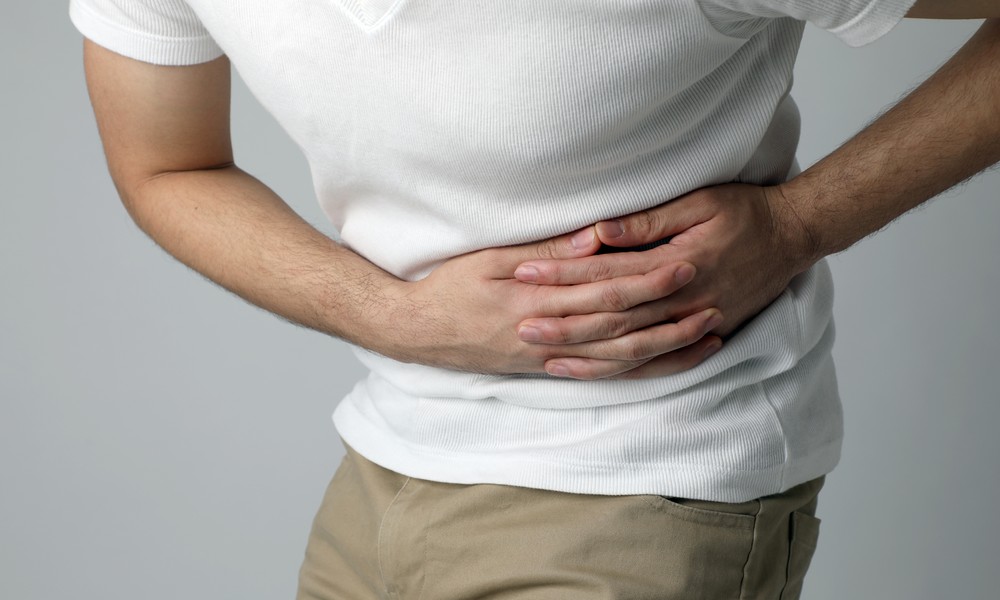

Kidney stone pain has a well-earned reputation as among the most intense pain a person can experience – and when it hits, the first decision is where to go. The ER, the primary care doctor, a urologist? Most people default to the emergency room, which is appropriate in certain circumstances but unnecessary in others, and occasionally results in significant time and expense for a stone that would have passed on its own with pain management. Lazare Urology in Brooklyn has in-office diagnostic capabilities that allow stable kidney stone patients to be evaluated efficiently without going through an emergency department – and understanding when that pathway makes sense requires understanding what kidney stones actually do and what clinical signs distinguish a stone that can be managed conservatively from one that requires urgent intervention.
What’s Happening When a Kidney Stone Causes Pain
Kidney stones form when minerals in urine – most commonly calcium oxalate, but also uric acid, struvite, or cystine – crystallize and aggregate into solid masses within the kidney. Small stones may sit in the kidney for years without causing symptoms. The pain begins when a stone leaves the kidney and enters the ureter – the narrow tube that carries urine from the kidney to the bladder.
Ureteral obstruction by a stone causes the ureter to spasm and the pressure upstream of the obstruction to build, which is the source of renal colic. The pain typically comes in waves, is severe enough to prevent comfortable positioning, and radiates from the flank downward toward the groin as the stone moves distally through the ureter. Nausea and vomiting accompany the pain frequently, not because of a gastrointestinal problem but because of the shared neural pathways between the ureter and the GI tract.
Hematuria – blood in the urine – is common with stones in the ureter, occurring in the majority of cases to some degree. The urine may appear pink, red, or brown, or blood may be present microscopically without visible color change.
When the ER Is the Right Destination
There are specific clinical circumstances in which kidney stone symptoms require emergency evaluation and should not wait for an outpatient appointment.
A stone with an associated infection is the most urgent situation. When obstruction occurs in the presence of urinary tract infection, bacteria can be trapped upstream of the blockage in conditions that allow rapid multiplication and can lead to urosepsis – a potentially life-threatening systemic infection. Signs that suggest infection alongside a stone include fever above 101°F, chills, rigors, and feeling systemically unwell beyond the pain itself. Anyone with kidney stone symptoms and fever should go to the emergency room without delay.
Complete obstruction of a solitary kidney – meaning a person with only one functioning kidney has a stone obstructing the ureter – is another emergency. Both kidneys being completely obstructed simultaneously is a rarer scenario but also requires immediate intervention.
Uncontrollable pain or vomiting that prevents adequate hydration and pain management at home indicates that outpatient management is not sufficient and that emergency evaluation is appropriate.
If there is significant uncertainty about whether the symptoms are from a kidney stone or something else – appendicitis, ovarian torsion in women, aortic aneurysm – the emergency department is the right setting for initial evaluation.
When a Urologist Is the Better First Call
For a patient who has had kidney stones before, recognizes the pain pattern, has no fever, and is able to manage pain adequately with oral medication and hydration, outpatient management through a urologist is often more efficient and less disruptive than an ER visit.
Lazare Urology has in-house laboratory capabilities and the ability to order imaging – typically a CT urogram or KUB X-ray – that allows the stone’s location, size, and degree of obstruction to be assessed in the outpatient setting. This information is what determines the management approach: stone size and location in the ureter are the primary predictors of whether a stone will pass spontaneously or requires procedural intervention.
Stones 4mm and smaller pass spontaneously in the majority of cases with hydration, pain management, and alpha-blocker therapy (which relaxes the ureteral smooth muscle and facilitates stone passage). Stones between 5 and 7mm have intermediate passage rates – some pass, some require intervention. Stones larger than 7mm are unlikely to pass without intervention and typically proceed to ureteroscopy or shock wave lithotripsy planning without a prolonged waiting period.
Medical expulsive therapy with an alpha-blocker – typically tamsulosin – has been shown in clinical trials to increase the rate of spontaneous stone passage and reduce the time to passage for smaller stones. It’s a standard part of conservative management and something a urologist will prescribe at the first outpatient visit.
What Ureteroscopy Involves and When It’s Indicated
Ureteroscopy is the most commonly performed surgical intervention for ureteral and kidney stones. A thin flexible or semi-rigid scope is passed through the urethra and bladder, then into the ureter and kidney. No external incisions are made. The stone is visualized directly, and a laser – typically a holmium:YAG laser – is used to fragment the stone into pieces small enough to pass or to be retrieved with a small basket device.
The procedure is performed under anesthesia and typically takes 30 to 60 minutes. A ureteral stent – a small plastic tube placed in the ureter – is often left for one to two weeks after the procedure to allow the ureter to heal and maintain drainage, and its removal is a brief in-office procedure.
The indications for ureteroscopy rather than continued conservative management include stones too large to reasonably expect spontaneous passage, stones that have not passed within four to six weeks of conservative management, stones causing significant ongoing obstruction or pain, and stones that have moved to a location where they’re unlikely to pass without help.
Shock wave lithotripsy – using externally applied acoustic waves to fragment stones from outside the body – is an alternative for some stones in the kidney or upper ureter, with the advantage of being non-invasive but the limitation of lower single-treatment success rates compared to ureteroscopy, particularly for harder stone compositions like calcium oxalate monohydrate.
Percutaneous nephrolithotomy, which involves a small incision into the kidney directly, is reserved for very large stones – typically greater than 2cm – that are not manageable with ureteroscopy.
Stone Prevention: The Part Most Patients Skip
First-time kidney stone patients are told to follow up for stone prevention, and a meaningful number don’t. This is clinically understandable – once the pain has resolved and the stone has passed, the urgency fades – but the recurrence rate for kidney stones is high. Approximately 50% of men who have a first stone will have another within ten years without intervention.
Stone prevention begins with understanding what the stone was made of, which requires capturing a passed stone for analysis if possible, or interpreting the CT findings and laboratory data for stone type. The prevention strategy differs substantially by stone type: calcium oxalate stones respond to increased fluid intake, dietary oxalate restriction, and sometimes thiazide diuretics or potassium citrate. Uric acid stones respond to urinary alkalization with potassium citrate and, in some cases, allopurinol. Knowing the stone type is therefore not academic – it determines the prevention approach.
A 24-hour urine collection is the most informative test in recurrent stone formers, measuring urinary calcium, oxalate, uric acid, citrate, sodium, pH, and volume – the factors that drive stone crystallization. The results allow a targeted prevention strategy rather than generic dietary advice.
Getting Evaluated at Lazare Urology for Kidney Stones
For Brooklyn, Manhattan, Queens, and surrounding area patients who are experiencing what they believe is a kidney stone and do not have fever or signs of infection, Lazare Urology offers same-day and urgent evaluation with in-house lab and diagnostic capabilities. Dr. Lazare assesses the stone’s location and size, initiates appropriate conservative management or plans procedural intervention based on the clinical picture, and establishes stone prevention follow-up that reduces the risk of recurrence.
Contact Lazare Urology to schedule an evaluation. If you have fever along with kidney stone symptoms, go to the emergency room – but for a stable presentation with prior stone history, an outpatient urology evaluation is typically the right first step.
