
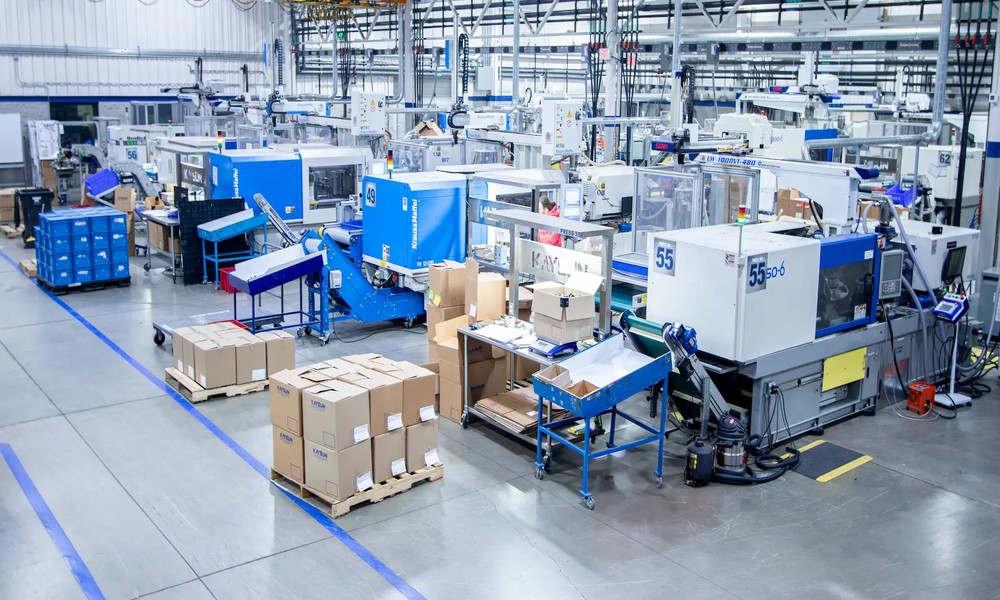

A clean room for medical devices represents more than just a sterile workspace. It stands as the final barrier between contamination and patient safety, a controlled environment where the invisible world of particles and microorganisms meets rigorous human discipline. The manufacture of medical devices in these spaces requires understanding not merely what the standards demand, but why those demands exist. Every specification, every protocol, every measurement serves a singular purpose: protecting the vulnerable patients who will one day depend on these devices. The consequences of failure extend beyond regulatory citations or production delays. They touch lives directly, often in ways that never make headlines but matter profoundly to individual patients and their families.
Understanding ISO Classification Systems
The medical device clean room classification system follows ISO 14644-1, which categorises cleanrooms based on the maximum permissible concentration of airborne particles. The classifications range from ISO Class 1, the most stringent, to ISO Class 9, the least controlled. Most medical device manufacturing occurs in ISO Class 5 through ISO Class 8 environments, depending on the device’s risk profile and patient contact.
ISO Class 5 cleanrooms, often called Class 100 in the older Federal Standard 209E system, permit no more than 3,520 particles of 0.5 microns per cubic metre. These spaces suit the production of sterile implantable devices like pacemakers or orthopaedic implants. ISO Class 7 environments, with up to 352,000 particles of 0.5 microns per cubic metre, accommodate many non-implantable sterile devices. ISO Class 8 spaces often serve as background environments or gowning areas supporting more critical zones.
Critical Design Elements
Creating an effective clean room for medical devices demands attention to multiple interconnected systems. The space itself becomes an instrument of precision, where every surface, every air current, and every entry point receives deliberate consideration.
Air handling systems form the foundation. High-efficiency particulate air filters, known as HEPA filters, remove 99.97 per cent of particles 0.3 microns and larger. The system must maintain positive pressure relative to surrounding areas, preventing contaminated air from infiltrating controlled zones. Air changes per hour, typically ranging from 10 to 600 depending on classification, continuously flush particles from the space.
Essential design components include:
- Non-shedding, cleanable surface materials on all walls, floors, and ceilings
- Sealed light fixtures that prevent particle accumulation and release
- Minimal horizontal surfaces where particles might settle
- Rounded corners facilitating thorough cleaning
- Pass-through chambers minimising door openings to controlled areas
- Appropriate humidity and temperature controls preventing microbial growth
A Singapore clean room for medical devices facility manager described their philosophy: “We design cleanrooms assuming everything will eventually fail. Filters clog. Seals degrade. Human error occurs. Our systems incorporate redundancy and monitoring that detect problems before they compromise product integrity. The goal is not perfection but reliable protection.”
The Human Factor
People represent the greatest contamination source in any clean room for medical device manufacturing. Humans shed millions of particles daily through skin cells, hair, breath, and clothing. Managing this reality requires comprehensive personnel protocols that many find demanding but all must follow without exception.
Gowning procedures vary by cleanroom classification but share common principles. Personnel don disposable or regularly laundered cleanroom garments covering the entire body. Hair covers, face masks, and shoe covers prevent contamination from exposed areas. In the most critical environments, full body suits with integrated hoods and booties create complete barriers.
Training extends beyond gowning procedures. Personnel learn proper movement within cleanrooms, avoiding rapid motions that generate particle clouds. They understand which activities generate contamination and how to minimise risks. They master cleaning procedures that maintain environmental standards without introducing new contaminants.
Monitoring and Validation
Maintaining a medical device cleanroom requires constant vigilance through systematic monitoring and periodic validation. Particle counters continuously or periodically sample air quality, ensuring classification standards remain met. Viable air sampling captures microorganisms, confirming sterility where required. Surface monitoring detects contamination on workbenches, equipment, and floors.
Environmental monitoring programmes establish baseline conditions, set alert and action levels, and trigger investigations when standards slip. These programmes generate data demonstrating control over time, satisfying regulatory requirements whilst protecting product quality.
Regulatory Expectations
Regulatory bodies worldwide scrutinise cleanroom controls during facility inspections. The FDA’s Quality System Regulation and the European Union’s Medical Device Regulation both expect manufacturers to justify cleanroom classifications based on risk assessment. Simply meeting ISO standards proves insufficient without documented rationale linking environmental controls to product requirements.
A Singapore clean room for medical devices quality director explained: “Regulators want to see our thinking. Why did we choose ISO Class 7 instead of Class 8? What contamination risks did we identify? How do our controls address those risks? The documentation tells the story of how we protect patients through environmental control.”
Maintenance and Continuous Improvement
Cleanrooms require rigorous maintenance schedules. Filters need regular replacement before efficiency degrades. Surfaces demand daily cleaning with validated agents. Equipment receives preventive maintenance preventing particle generation. Documentation tracks every activity, creating histories that support troubleshooting and compliance.
The most sophisticated facilities pursue continuous improvement, not merely maintenance of existing standards. They investigate minor deviations seeking root causes. They benchmark against industry leaders. They invest in technologies offering better control or easier monitoring.
The Investment in Safety
Establishing and maintaining a clean room for medical devices demands substantial financial investment and sustained operational discipline, yet this commitment represents the price of responsible medical device manufacturing in an industry where patient safety remains non-negotiable.
