

Moths may seem harmless at first glance, but their rapid reproduction and destructive larvae can wreak havoc on fabrics, food stores, and indoor spaces. Without careful management, a small population of moths can grow into a serious infestation. Understanding their behavior and taking timely action is the best defense.
Moths normally enter homes attracted by light, seeking out undisturbed areas like closets, attics, or pantries in which to lay their eggs. Once the eggs hatch, larvae feed on natural fibers, stored food, and household materials. Over time, you might notice small holes in clothing, silky webs in corners, or shady cocoons tucked away in corners. When a problem is still manageable, nonchemical interventions can make a big difference.
An experienced Pearland pest control company often emphasizes inspection and exclusion first. The key is to locate every potential entry point and breeding site. Cracks around doors or windows, gaps in screens, and openings into storage spaces all provide opportunities for moths to make their way inside. Sealing these vulnerable areas prevents new insects from entering and limits the places where they can reproduce.
In many cases, trapping and monitoring can help suppress moth populations. Sticky traps or pheromone-based devices attract adult moths before they reproduce excessively. Meanwhile, routine vacuuming, laundering fledged fabrics on high heat, and carefully storing susceptible clothing in sealed containers all reduce the resources available to larvae. These steps help to keep initial populations from spiraling out of control.
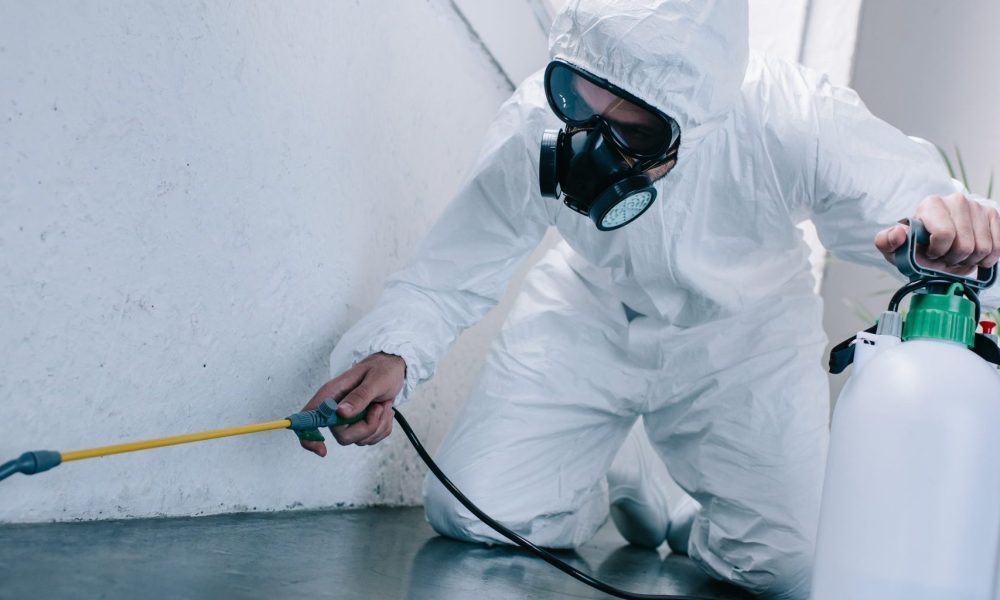
Once a moth infestation has progressed beyond what traps and hygiene measures can manage, expert intervention becomes necessary. In such situations, reaching out to a Houston pest control company that understands integrated pest management is wise. Professionals can select targeted treatments — such as safe insecticides, spot sprays, or specialized dust applications — based on the moth species and site conditions. They’ll also monitor over time to ensure the infestation does not return.
Long-term success against moths lies in combining prevention, vigilance, and knowledgeable support. Timely inspections before the problem escalates, sealing entry paths, and targeted treatments when needed create a stronger barrier against infestations. With careful management, you can protect your home, fabrics, and stored goods from the damage moths inflict — all while minimizing environmental impacts.
