
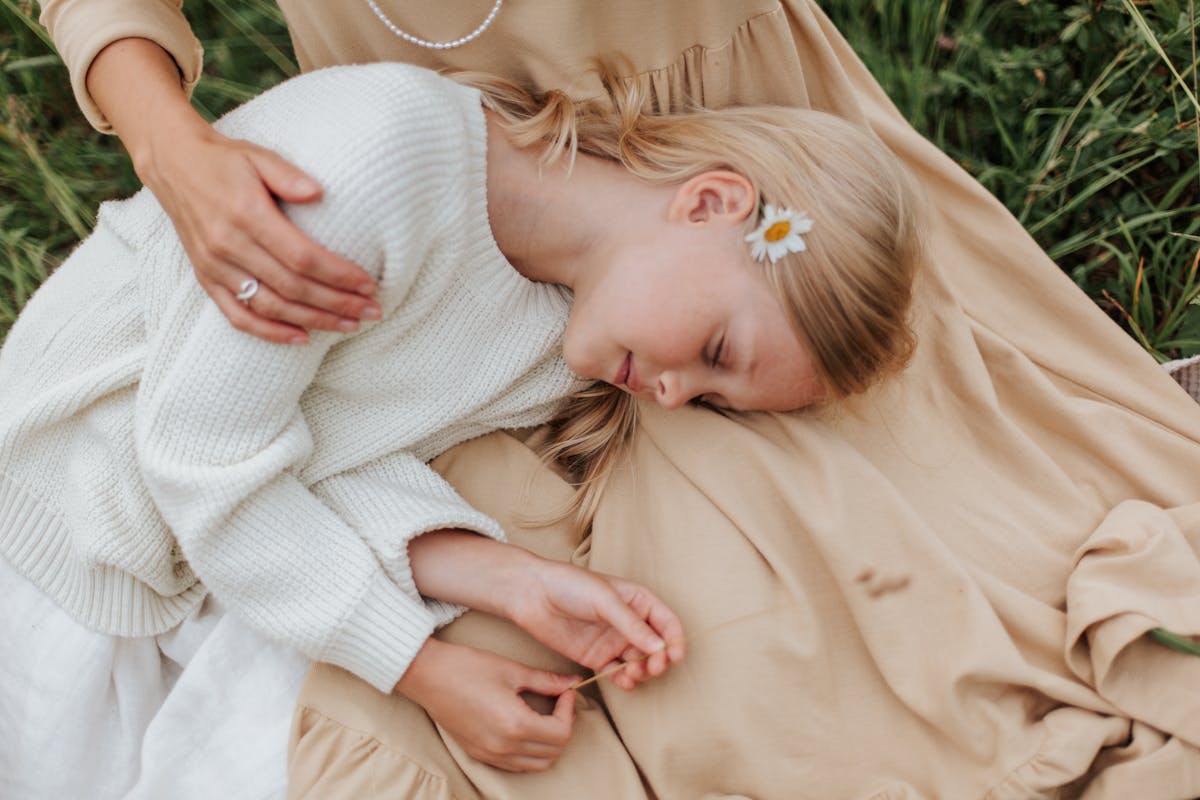

Great photography is not just about sharpness, composition, or lighting—it’s about connection. The most memorable images are those that convey genuine feelings, allowing viewers to experience the joy, vulnerability, or intimacy of a moment. Whether it’s a candid laugh, a tearful embrace, or a thoughtful expression, capturing real emotions in photography transforms a simple picture into a timeless story. Yet, achieving authenticity requires more than technical skills—it demands sensitivity, patience, and an understanding of human behavior.
Build Trust with Your Subject
The foundation of emotional photography lies in building trust. People are often self-conscious in front of the camera, and stiff poses can overshadow natural expressions. To overcome this, create a comfortable environment where subjects feel relaxed. Spend time chatting before shooting, share a laugh, or explain what you’re aiming to capture. When people feel seen and respected, they’re more likely to let their guard down, allowing real emotions to surface naturally.
For family portraits, for instance, engaging children in playful conversation or asking parents to interact with them can yield genuine laughter and affection. In professional settings, encouraging subjects to think about meaningful memories or share personal stories can also bring authenticity to their expressions.
Observe and Anticipate Moments
Some of the most powerful emotional photographs are spontaneous. Instead of waiting for subjects to pose, watch closely for subtle gestures, eye contact, or fleeting expressions. Anticipating these moments requires attentiveness and empathy. At events like weddings, graduations, or reunions, emotional expressions often unfold quickly, so positioning yourself in the right place and staying alert is crucial.
Keep your camera ready, and shoot in bursts when emotions peak. A single smile or tear can be gone in seconds, but capturing it at the right time can create a photograph that resonates for years.
Use Candid Photography Techniques
Candid photography is a natural way to capture emotions. Rather than directing subjects into rigid poses, let them interact with one another or engage in activities they enjoy. For example, photographing friends sharing a meal, children playing, or a couple walking hand-in-hand often reveals emotions far more genuinely than staged setups.
When shooting candidly, try using longer lenses to remain unobtrusive. This allows people to forget about the camera and behave naturally. Alternatively, blend into the environment by spending enough time with your subjects so that your presence feels less noticeable.
Focus on Eyes and Body Language
Eyes are often referred to as the windows to the soul, and for good reason. They reveal emotions more powerfully than any other feature. When capturing expressions, pay close attention to eye contact, gaze direction, and subtle shifts in expression. Similarly, body language communicates emotions even when facial expressions don’t. The way someone holds a loved one, leans in during a conversation, or folds their arms in thought all tell emotional stories.
Using shallow depth of field to draw attention to the eyes can amplify the emotional impact of a portrait. At the same time, capturing wider shots that include posture and gestures can help contextualize emotions within a moment.
Master the Role of Lighting
Lighting is not only technical but emotional. Soft, diffused light can create a gentle, intimate mood, while dramatic shadows evoke intensity and depth. For emotional photography, experiment with different types of lighting to match the feeling you want to convey.
Natural light during golden hour enhances warmth and romance, while backlighting can create silhouettes that highlight intimacy or solitude. Indoors, side lighting adds depth to facial features and emphasizes raw expressions. The right lighting doesn’t just illuminate—it enhances the mood, making emotions feel more authentic.
Encourage Storytelling
Asking subjects to think about or talk about meaningful experiences often elicits genuine emotions. During portraits, simple prompts like, “What’s the happiest memory you’ve had with your family?” or “Tell me something you love about each other” can lead to real expressions of joy, pride, or tenderness. These moments of reflection are powerful triggers for authenticity.
Storytelling is equally important in photojournalism and event photography. By following a narrative—such as the progression of a wedding day or the bond between a community—you capture emotions not in isolation but as part of a larger, meaningful story.
Create a Comfortable Environment
The environment you create influences the emotions you capture. A stiff studio setting may make subjects nervous, while familiar locations often help them relax. Photographing people in their homes, favorite parks, or workplaces adds a layer of comfort and authenticity. Music, laughter, or even small activities like cooking or playing a game can set the tone for genuine interactions.
In group settings, activities that encourage interaction—like games at a wedding or even fun setups such as photo booth rental Las Vegas—can bring out spontaneous joy and laughter. These unscripted moments are often where the most heartfelt emotions emerge.
Don’t Be Afraid of Imperfection
Real emotions are rarely polished. A tear-streaked face, messy hair from laughter, or slightly blurred movement often adds to the authenticity of an image. Instead of aiming for perfection in every frame, embrace imperfections that reflect the rawness of human feeling. These details make photographs relatable and timeless.
Post-Processing with Care
Editing can enhance emotions, but it must be done thoughtfully. Subtle adjustments to brightness, contrast, and color can highlight mood, but over-editing can strip away authenticity. For emotional photography, less is often more. Retain the natural tones of skin, maintain shadows where they add depth, and avoid filters that distort reality. Your goal is to amplify the emotion already present, not fabricate it.
Conclusion
Capturing real emotions in photography is about connection, timing, and sensitivity. Technical skills like lighting and composition matter, but the heart of emotional photography lies in empathy and trust. By building rapport with your subjects, observing closely, and embracing imperfection, you can create images that resonate deeply with viewers. Photography at its best is not just about documenting moments—it’s about preserving the emotions that define them.
