
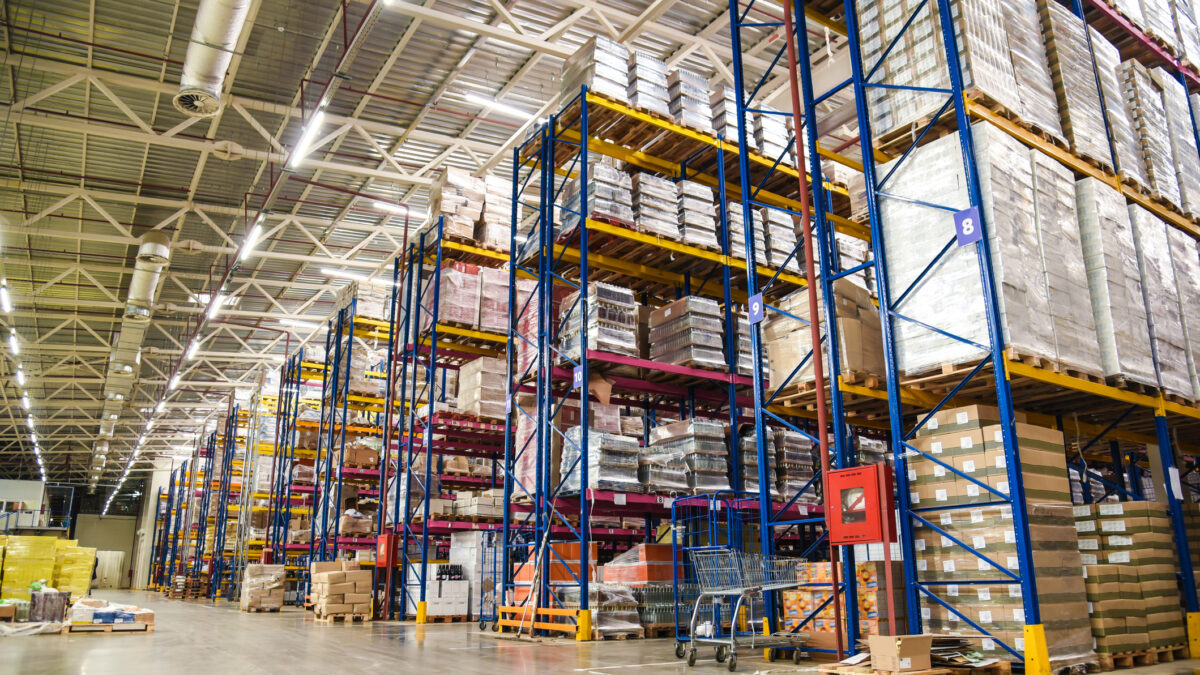

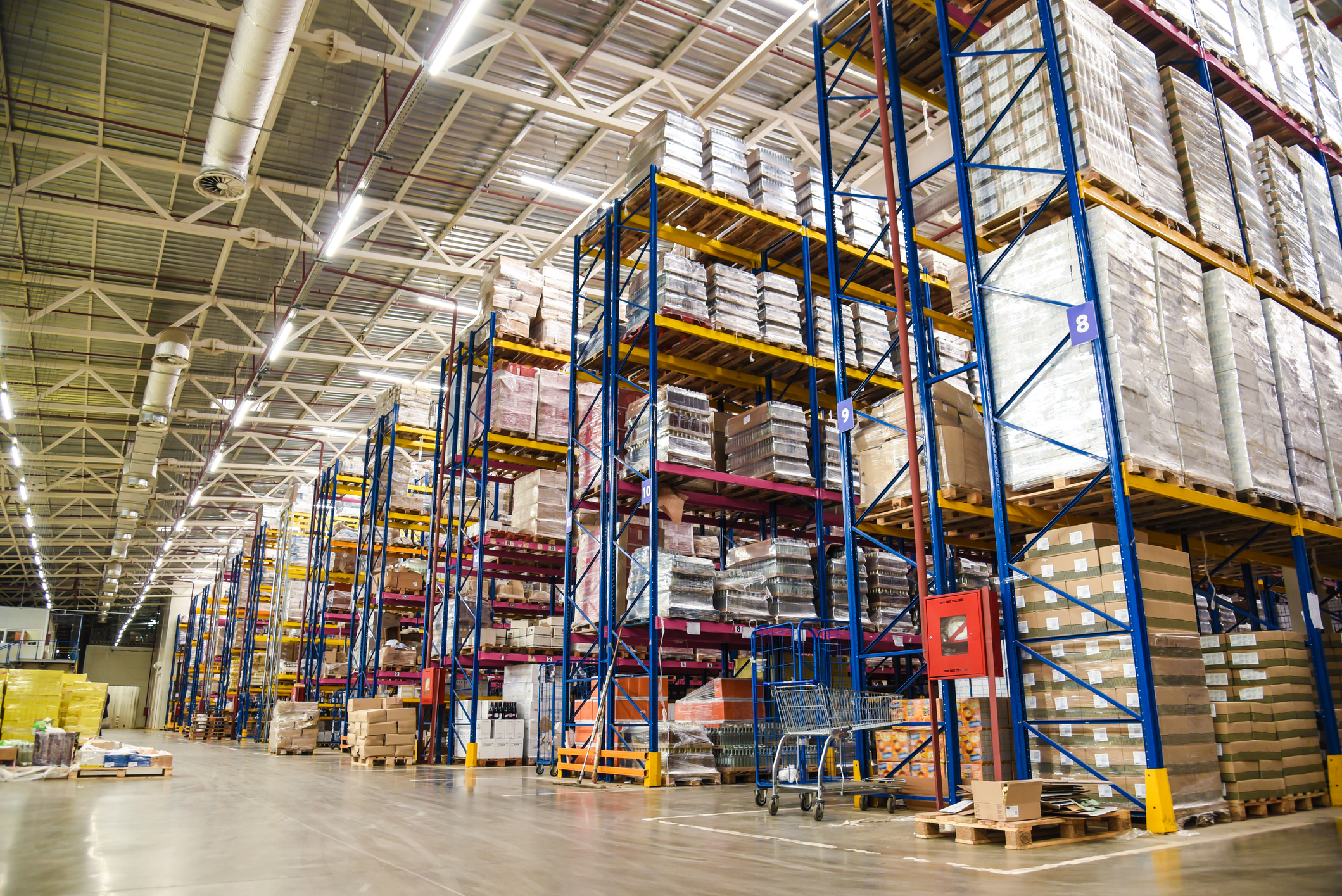
Warehouse automation software refers to a range of technologies designed to streamline operations within a warehouse setting. This software integrates various tools and processes to maximize efficiency, reduce human error, and provide real-time insights into inventory and operations. As supply chains become increasingly complex, the need for robust automation solutions has gained prominence. By adopting warehouse automation software, organizations can achieve significant improvements in operational efficiency and responsiveness.
H2: Enhancing inventory management with automation
Effective inventory management is crucial for any warehouse operation. Warehouse automation software provides advanced tools for tracking, managing, and optimizing inventory levels. Key features often include:
– Real-time inventory tracking: Automation software enables continuous monitoring of stock levels, reducing the risk of overstocking or stockouts.
– Automated replenishment: With predefined thresholds, the software can automatically trigger orders when inventory falls below a certain level.
– Barcode scanning and RFID integration: These technologies enhance accuracy in tracking inventory movements, ensuring that the data reflects real-time conditions.
By improving inventory management, businesses can reduce waste, lower carrying costs, and enhance customer satisfaction.
H2: Improving operational efficiency through automation
Operational efficiency is another significant benefit of warehouse automation software. This technology streamlines various processes, leading to faster operations and reduced costs. Some key aspects include:
– Workflow optimization: Automation software can analyze workflows and suggest improvements, ensuring that tasks are completed in the most efficient order.
– Labor management: With real-time data, managers can allocate resources more effectively, ensuring optimal staffing levels based on demand.
– Integration with other systems: Warehouse automation software can seamlessly connect with other supply chain systems, such as transportation management and order fulfillment platforms, enhancing overall efficiency.
These enhancements lead to reduced cycle times and increased throughput, allowing warehouses to handle greater volumes of orders without compromising service quality.
H2: Real-time monitoring and data analytics
Real-time monitoring is a pivotal feature of warehouse automation software. This capability allows managers to track performance metrics continuously, facilitating informed decision-making. Key benefits include:
– Performance dashboards: These visual tools provide insights into key performance indicators (KPIs), such as order accuracy, picking speed, and inventory turnover.
– Predictive analytics: By analyzing historical data, automation software can forecast trends and demand patterns, enabling proactive management of resources.
– Issue detection: Real-time monitoring helps identify bottlenecks or inefficiencies quickly, allowing for immediate corrective actions.
By leveraging data analytics, warehouses can not only respond to current conditions but also plan strategically for future demands.
H2: The role of smart warehouse solutions in automation
Smart warehouse solutions encompass a range of technologies that contribute to the automation process. These include:
– Robotics and automated guided vehicles (AGVs): These technologies can handle repetitive tasks, such as picking and transporting goods, allowing human workers to focus on more complex activities.
– Artificial intelligence (AI): AI can optimize routing and inventory management, further enhancing efficiency.
– Internet of Things (IoT): IoT devices can provide real-time data about equipment status and environmental conditions, contributing to overall operational effectiveness.
These smart solutions work in tandem with warehouse automation software, creating a more interconnected and efficient supply chain.
H2: Exploring the future of warehouse automation
As technology continues to evolve, the future of warehouse automation software looks promising. Emerging trends include:
– Increased use of AI: Advanced algorithms will further enhance decision-making capabilities and predictive analytics.
– Enhanced cybersecurity measures: With the rise in connectivity, protecting sensitive data will become increasingly important.
– Sustainability initiatives: Automation technologies will increasingly focus on reducing energy consumption and waste, aligning with global sustainability goals.
By staying informed about these trends, supply chain managers and technology decision-makers can position their organizations to take full advantage of advancements in warehouse automation.
H2: Resources for understanding advanced automation technologies
For those seeking to deepen their knowledge of advanced automation technologies in smart warehouses, resources such as industry reports and case studies can provide valuable insights. This page offers information on the latest developments and applications of warehouse automation software and smart warehouse solutions.
By embracing Industrial lot solutions, organizations can not only improve their operational efficiencies but also prepare for the future of supply chain management.
