
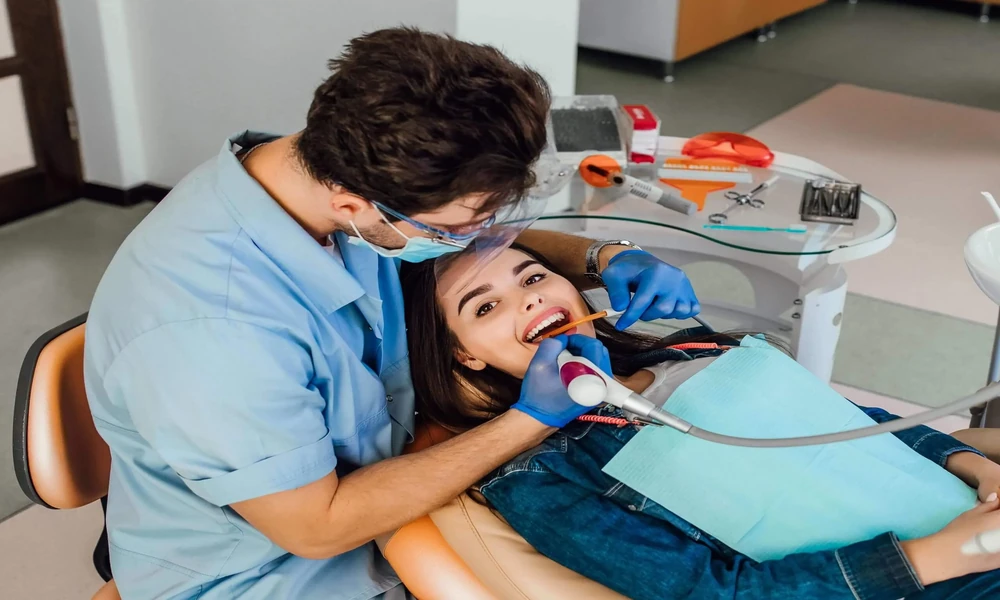

If your child has asthma, even a routine dental visit can carry extra worry. You may be thinking about wheezing during treatment, whether a rescue inhaler needs to come, or if asthma medicine is affecting your child’s teeth. That stress is real, and it often starts long before the appointment. The good news is that how pediatric dentists manage dental care for children with asthma usually comes down to careful planning, clear communication, and a treatment approach built around your child’s triggers and breathing needs, like the care available at Children’s Dental FunZone in Rialto, CA.
A skilled pediatric dentist does not treat asthma as a side note. They ask about symptoms, medications, past flare ups, and what tends to trigger coughing or shortness of breath. They also watch for oral side effects linked to asthma, including dry mouth, higher cavity risk, and mouth breathing. That is why asthma-friendly pediatric dental care is less about one special procedure and more about making every part of the visit safer and easier for your child.
Pediatric dentists prepare for asthma before treatment begins
The most important work often happens before anyone looks at your child’s teeth. A pediatric dentist will review the medical history closely, including how often your child uses a rescue inhaler, whether asthma is well controlled, and if there have been emergency room visits or hospital stays. Children with frequent symptoms may need shorter visits, extra monitoring, or scheduling at a time of day when breathing is usually better.
That planning matters because stress, strong smells, respiratory infections, and even lying back in the dental chair can make some children cough or feel tight in the chest. If your child already gets nervous in medical settings, that anxiety can add to the problem. Pediatric dentists often reduce that strain with calm pacing, simple explanations, and breaks when needed.
Parents should bring an updated medication list and the rescue inhaler to the appointment. If the asthma has been acting up that week, say so right away. The dental team may decide to delay non urgent treatment rather than push through a visit that could become unsafe.
For a broad overview of childhood asthma symptoms, treatment, and daily management, the National Heart, Lung, and Blood Institute’s guide to asthma in children is a strong place to start.
Dental care for kids with asthma addresses medication side effects and cavity risk
Asthma affects more than breathing. Some inhaled medicines reduce saliva flow, and less saliva means less natural protection against acid and bacteria. Children who breathe through the mouth, especially at night, may also have dry gums and irritated tissues. Add sugary liquid medicines or frequent snacking after symptoms, and cavities can develop faster than many parents expect.
This is one reason pediatric dentists pay close attention to prevention. A child with asthma may need fluoride treatments more often, stronger home care habits, and closer recall visits. If your child uses an inhaler with steroids, rinsing with water after each use can help lower the risk of oral irritation and fungal infection. The dentist may also recommend brushing after the rinse when practical, especially before bed.
Good daily habits still matter most. The CDC shares practical oral health tips for children, including brushing with fluoride toothpaste, flossing once teeth touch, and limiting sugary drinks.
Pediatric dentists adjust treatment to reduce asthma triggers during dental visits
Children with asthma do best when the dental team avoids known triggers and keeps the visit predictable. Nitrous oxide may be appropriate for some children with mild, controlled asthma, but active wheezing changes the picture. Rubber dams, polishing pastes, strong cleaning agents, and even powdered materials may irritate sensitive airways in some cases. The dentist weighs those details instead of using the same routine for every child.
If your child has severe asthma, the dentist may consult with the pediatrician or pulmonologist before treatment. That can sound intimidating, but it is often just smart coordination. The goal is simple. Keep breathing stable while still getting needed dental care.
The University of Washington offers a useful clinical overview on treating children with asthma in the dental setting, including common oral effects and precautions during care.
Practical differences in routine dental care for children with asthma
| Dental Care Area | Typical Routine Visit | Visit for a Child With Asthma |
|---|---|---|
| Medical review | Basic health history update | Detailed review of symptoms, triggers, inhaler use, and recent flare ups |
| Appointment timing | Standard scheduling | Shorter visits or timing based on when breathing is most stable |
| Medication planning | Usually no special preparation | Rescue inhaler brought to visit and checked for easy access |
| Preventive focus | Regular cleanings and routine fluoride advice | Extra cavity prevention due to dry mouth, mouth breathing, or steroid inhaler use |
| Treatment environment | Standard materials and pacing | Attention to stress reduction, trigger avoidance, and comfort breaks |
| Decision on treatment day | Routine care usually proceeds | Non urgent care may be postponed if asthma is not well controlled |
Pediatric dental care becomes safer when parents take a few clear steps
Bring complete asthma information. Share the diagnosis, medication list, trigger history, and the name of your child’s doctor. If your child had coughing at night, a recent infection, or needed the rescue inhaler more than usual, mention it before treatment starts.
Protect teeth after inhaler use. Encourage your child to rinse with water after steroid inhalers. Keep brushing twice a day with fluoride toothpaste, and ask the pediatric dentist whether your child needs added fluoride or more frequent cleanings.
Schedule around control, not convenience. If asthma is flaring, reschedule non urgent care. It is better to delay a cleaning than to force a visit when your child is already struggling to breathe. Good pediatric dentists understand that completely.
Children with asthma can still have calm, effective dental visits
Your child’s asthma does not shut the door on good dental care. It changes the plan, and that is exactly what a thoughtful pediatric dentist is trained to do. With the right history, the right precautions, and steady prevention at home, pediatric dental care for asthma patients can be safe, routine, and far less stressful than you may expect.
If your child has asthma and dental visits have felt uncertain, reach out to a pediatric dentist and ask how they handle breathing concerns, inhaler use, and cavity prevention during care. A clear conversation before the appointment can make the whole visit easier for both of you.
How Pediatric Dentists Manage Dental Care For Children With Asthma
