
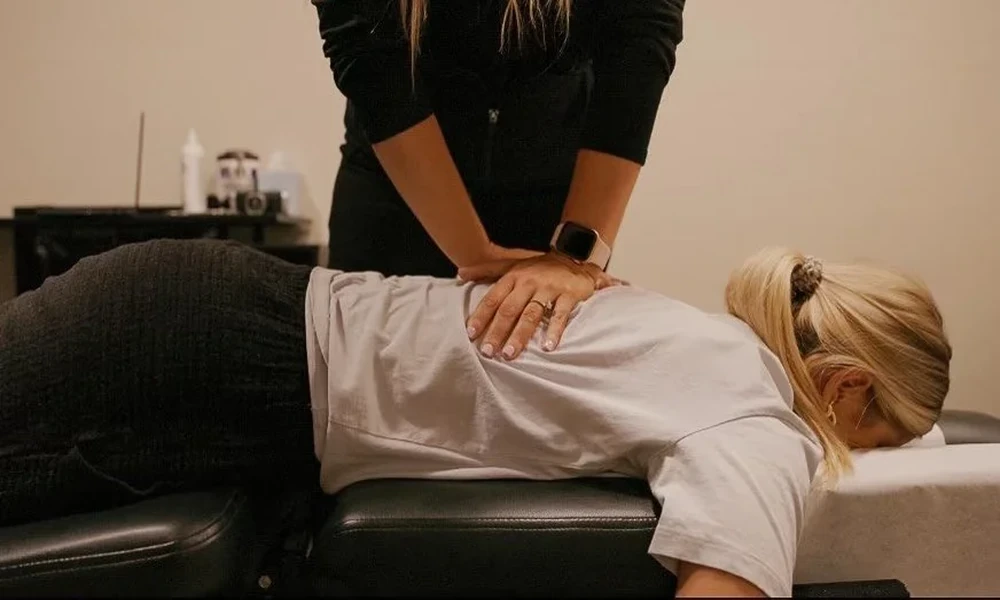

Modern healthcare consumers seek efficient, evidence-based methods to manage structural discomfort and physical limitations. Residents facing chronic musculoskeletal strain often look for local solutions to restore their natural mobility. Choosing a clinical pathway requires a clear understanding of the protocols available in specialized facilities. Evaluating diverse manual and mechanical methods helps patients select the most suitable intervention for long-term structural relief. A qualified chiropractor in oklahoma city can provide targeted care that addresses the underlying source of mechanical body pain.
Diverse Care Methods Restore Mechanical Functions
Clinics across the region utilize distinct non-invasive techniques to manage structural misalignment. Practitioners apply precise manual forces to spinal segments to alleviate nerve pressure. Mechanical distraction devices gently separate joint surfaces to reduce localized disc pressure. Patient assessments dictate the exact application of these advanced physical modalities.
Targeted Spinal Adjustments Alleviate Joint Stress
Manual therapies focus on restoring the normal range of motion to restricted spinal segments.
- Precise manual adjustments relieve pressure on compressed spinal nerves.
- Controlled joint manipulation improves regional blood circulation and healing.
- Gentle physical alignment reduces muscle spasms around the spine.
- Targeted joint mobilization restores flexibility to stiff skeletal structures.
- Specialized structural care lowers localized inflammation in connective tissues.
- Custom manual thrusts correct minor joint subluxations quite effectively.
- Focused spinal pressure improves overall nervous system tracking functions.
- Restoring skeletal alignment balances physical weight distribution during movement.
Specialized Soft Tissue Therapies Support Recovery
Manual muscle manipulation complements standard skeletal care by addressing chronic soft tissue tightness. Practitioners target deep fascia layer restrictions to release stubborn muscular adhesions. This combined strategy stabilizes the joints after the primary structural adjustments are complete. Improved tissue elasticity prevents recurring structural misalignments during daily physical activities.
Factors Influencing Patient Treatment Success Rates
- What elements determine optimal spinal health outcomes? Individual recovery timelines depend heavily on structural damage severity.
- How does patient age affect clinical recovery speed? Younger cellular structures generally adapt faster to corrective manual forces.
- What role does daily posture play in long-term physical alignment? Poor ergonomic habits can actively counteract regular clinical structural adjustments.
- How do treatment frequencies impact overall therapeutic results? Consistent initial visits build the foundation for permanent joint stabilization.
Mechanical Tractions Create Space between Vertebrae
Automated decompression tables gently stretch the spine to create negative intradiscal pressure. This mechanical separation allows displaced disc material to pull back toward the center. Increased nutrient flow accelerates the natural repair of damaged spinal cartilage tissues.
Objective Assessment Protocols Guide Therapeutic Choices
Clinical examinations utilize orthopedic testing to identify specific structural deficits. Practitioners measure current joint angles to map out precise limitations in mobility. Diagnostic data ensures that the selected physical intervention matches the structural needs of the patient.
Common Patient Questions Regarding Regional Spinal Care
- What happens during the initial spinal evaluation process? Practitioners review history and test physical joint mobility.
- Are manual structural adjustments safe for older individuals? Gentle methods adapt easily to fragile skeletal frameworks.
- How many clinical sessions are normally required for relief? Initial improvements often manifest within a few visits.
- Do structural adjustments correct chronic posture issues? Regular care combined with exercises rewrites movement habits.
- Can spinal therapies prevent future workplace lifting injuries? Improved structural alignment distributes heavy loads more evenly.
Tailored Care Paths Foster Lasting Physical Wellness
Customized clinical strategies ensure that every individual receives the exact physical forces required for skeletal rehabilitation. Consistent lifestyle modifications combined with expert clinical guidance yield the most reliable health outcomes. Securing a reliable chiropractor in oklahoma city ensures access to professional assessment tools and tailored recovery plans. Prioritizing structured physical recovery remains the safest route toward sustainable physical freedom.
Sustained Structural Stability Requires Consistent Execution
Achieving lasting physical comfort depends entirely on steady commitment to recommended rehabilitation protocols. Daily ergonomic awareness reinforces the structural improvements gained during clinical manual therapy sessions. Patients who prioritize regular movement patterns maintain optimal joint health over extended periods. Small and continuous adjustments in daily habits yield substantial long-term physical benefits. Consistently supporting the structural integrity of the body prevents future mechanical failures.
Comparing Top Treatment Approaches Offered by Chiropractor in Oklahoma City Clinics
