
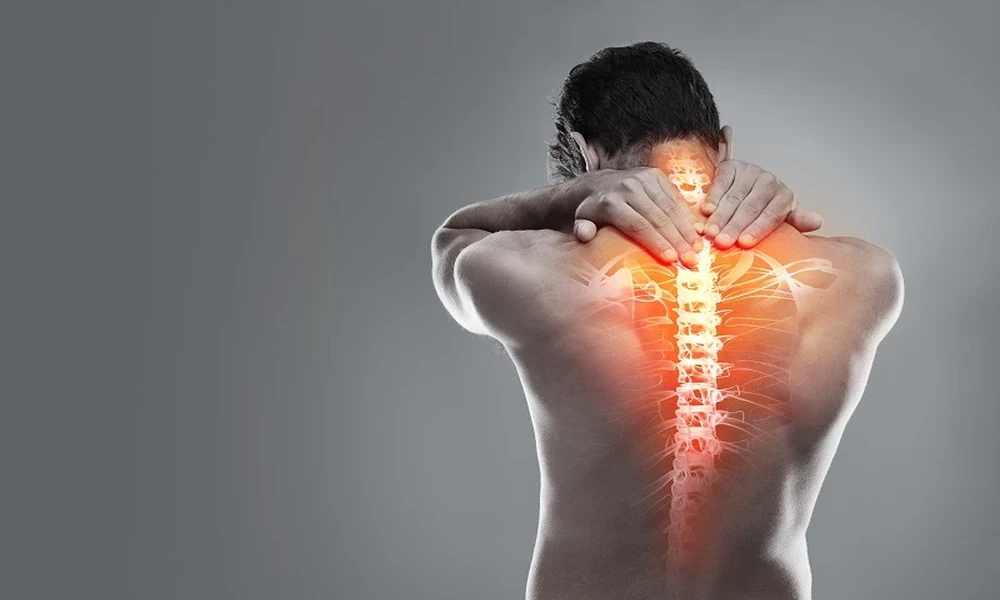

Bladder function is permanently altered after a spinal cord injury. SCI occurs when the bladder loses a sense of normal control at the time of injury, whereas age-related incontinence occurs over a period of time. This is a reality that Indian families must master at home, for many of them often have to learn how to cope in isolation from the professional help they receive; rehabilitation centres don’t always have the time or space to teach all of this to their patients before they leave.
Understanding Neurogenic Bladder
The spinal cord carries signals between the brain and the bladder. When this pathway is interrupted, the bladder either becomes overactive (reflex bladder) or underactive (flaccid bladder), depending on the injury level. Injuries above the sacral spine typically produce reflex incontinence the bladder empties without warning. Injuries at or below the sacral level often result in overflow incontinence the bladder retains urine and leaks continuously.
Both types require daily management strategies that the patient and caregiver must implement consistently over a lifetime.
Choosing Between Catheter and Diaper-Based Management
Many SCI patients use intermittent catheterisation draining the bladder on a schedule using a clean catheter. This method is medically preferred when the patient or caregiver can perform it safely and hygienically. However, catheterisation carries UTI risk, requires sterile technique, and is not always practical during travel, social events, or overnight hours.
Adult men diapers serve as a complementary or alternative management layer. During the fully immobile phase of recovery, tape-style adult men diapers provide the easiest format for caregiver changes the adjustable tabs allow fitting and refitting without requiring the patient to stand or roll extensively.
As mobility improves and the patient transitions to a wheelchair, incontinence diapers for men in pant style offer the easiest self-management option available. Pull-up designs allow patients with upper-body strength to change independently restoring a critical measure of privacy and autonomy that is essential for mental health.
Skin Care and UTI Prevention
SCI patients face elevated UTI risk due to bladder retention and catheter use. Adequate hydration a minimum of 2 litres daily unless medically restricted flushes bacteria effectively. Cranberry supplements, while not a substitute for medical treatment, are widely recommended as a supportive measure.
Skin care requires particular attention throughout recovery. Reduced sensation means the patient cannot feel wetness, rashes, or early-stage pressure sores. Adult men diapers with breathable backing and wetness indicators help caregivers monitor without frequent physical checks that disrupt the patient’s routine.
Adult men diapers should be changed every 3-4 hours during the day and immediately after catheter drainage. Barrier cream at every change protects skin that the patient cannot feel prevention is the only viable strategy since early warning signs are absent.
Long-Term Independence
Many SCI patients gain substantial independence over bladder management by combining suitable catheterisation programs, adult men diapers, skin care and by modifying the bathroom environment. Caregiver dependence is a stage that is not faced overnight and adult men diapers are an integral part of a gradual process. Simple steps such as transferring to toilet on their own, assisting with a diaper change, or any other small gain is a real step in the direction of normalised daily care.
The goal of long-term SCI bladder management is not perfection it is consistency. Adult men diapers are one component of a larger system that includes catheterisation, skin care, hydration, and regular urological check-ups. Families who build this system methodically give SCI patients the best possible foundation for independent daily living.
ConclusionRehabilitation centres should provide detailed bladder management training before discharge. When that training falls short, home caregivers can consult SCI-specialised occupational therapists for personalised strategies. Adult men diapers, catheterisation schedules, and skin care protocols should all be documented in a written care plan that every family member can follow.
Spinal Cord Injury in Men: Long-Term Bladder Management at Home in India
